
Golden Steer's Amanda Signorelli: Dining Out is a "Full-Contact Sport" in NYC
Amanda Signorelli is a second-generation restauranteur and the co-owner of Golden Steer: an iconic Las Vegas steakhouse that, after 68 years on the Strip, has just opened a second location at One Fifth Avenue.
Signorelli took the reins from her father in 2019 alongside her husband and business partner, Nick McMillan. When the pandemic hit and the fate of the entire city seemed dicey, the two bet big on social to go global, resetting the scale of a business that had once accepted guns and spurs in lieu of cash. Digital storytelling leaned on Golden Steer’s lore, from its cowboy origins through its Rat Pack and Hollywood eras.
Days before the restaurant’s Fifth Avenue debut, Signorelli dropped by Village Alliance HQ to share some fascinating intel on her hometown, from casino economics to sourcing a vintage showgirl costume (it’s harder than you’d think). Her fresh takes on NYC restaurants and the Village, meanwhile, should interest anyone involved in city real estate—or pastries.
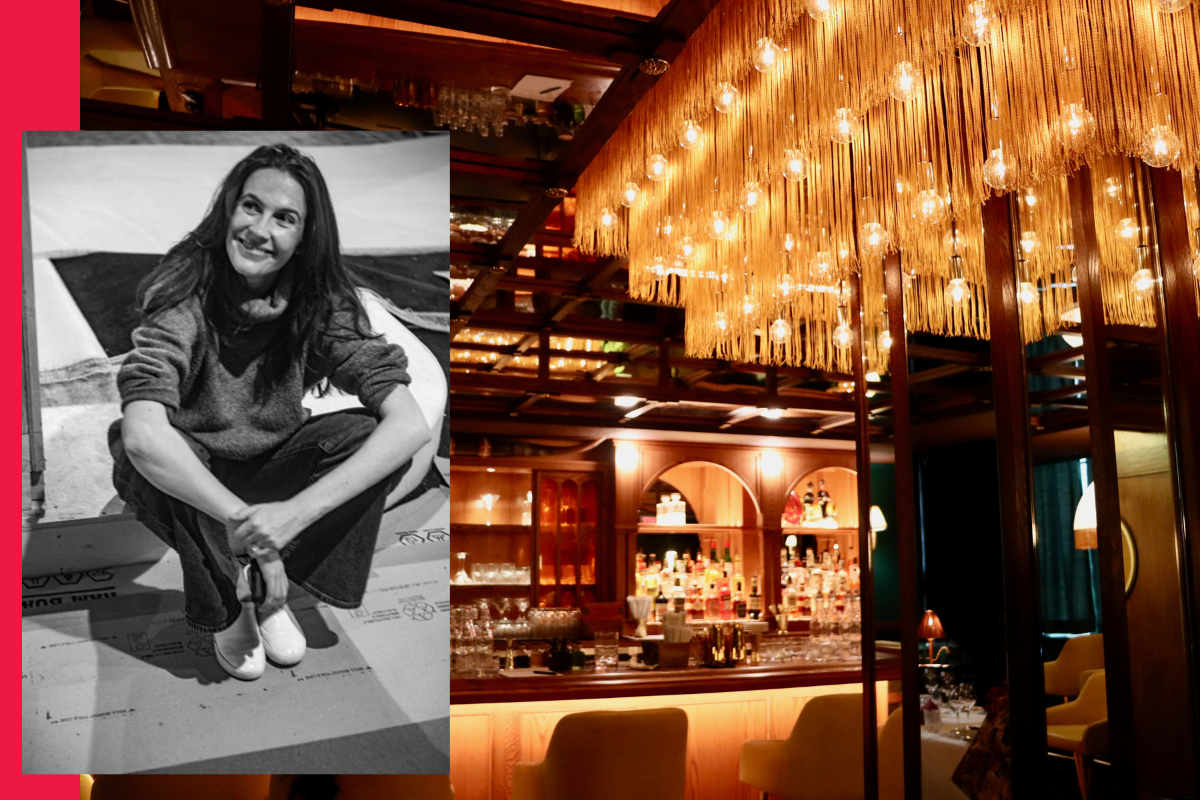
Foreground: Signorelli during construction; Background: Golden Steer’s #1 Bar
You did a lot of research on the dining scene before putting down roots. What’s something interesting that you observed or experienced?
New Yorkers treat dining out like a full contact sport. And I noticed this with the questions people were asking servers. There’s a willingness to go the extra mile to not only understand the food, but also the thought process and where it’s coming from. There’s a deep curiosity and investigative approach that seems so core to the identity of New Yorkers, and it’s unique.
Vegas is kind of frozen in time and season. In New York, most folks that are out dining know what’s in season and they’re confused when there’s something on the menu that isn’t. It’s like: ‘Just because you can get it doesn’t mean you should….’
But then there's also some steakhouse classics we always have to have, like cream corn. That push-pull between must-haves and seasonality was an interesting question for us to tackle in the menu.
“We’ve got one person who does the Canadian lobster tails and another for halibut. That depth of expertise that you get from small shops is refreshing.”
Can you talk a bit more about the differences between running a restaurant in Vegas versus New York?
In Vegas, the whole market is driven by casinos. They're the ones that buy everything and they're the ones that bring it all together. And so restaurants have access to that kind of scale, but casinos have low margins and big balance sheet debts, so they’re always optimizing costs. The large-scale providers really outprice the small guys.
What’s interesting is that it’s the opposite in New York. We don’t use US Foods or Sysco for anything—not even napkins. And that’s wild to me. It’s all very small purveyors, farms, partnerships, producers. And it works because there are so many independent restaurants here that there’s enough market share for them.
You end up getting people that are very specialized. We've got one person who does the Canadian lobster tails and another for halibut. That depth of expertise that you get from small shops is refreshing. And you can really get into it if someone asks about something on the menu and where it’s sourced.
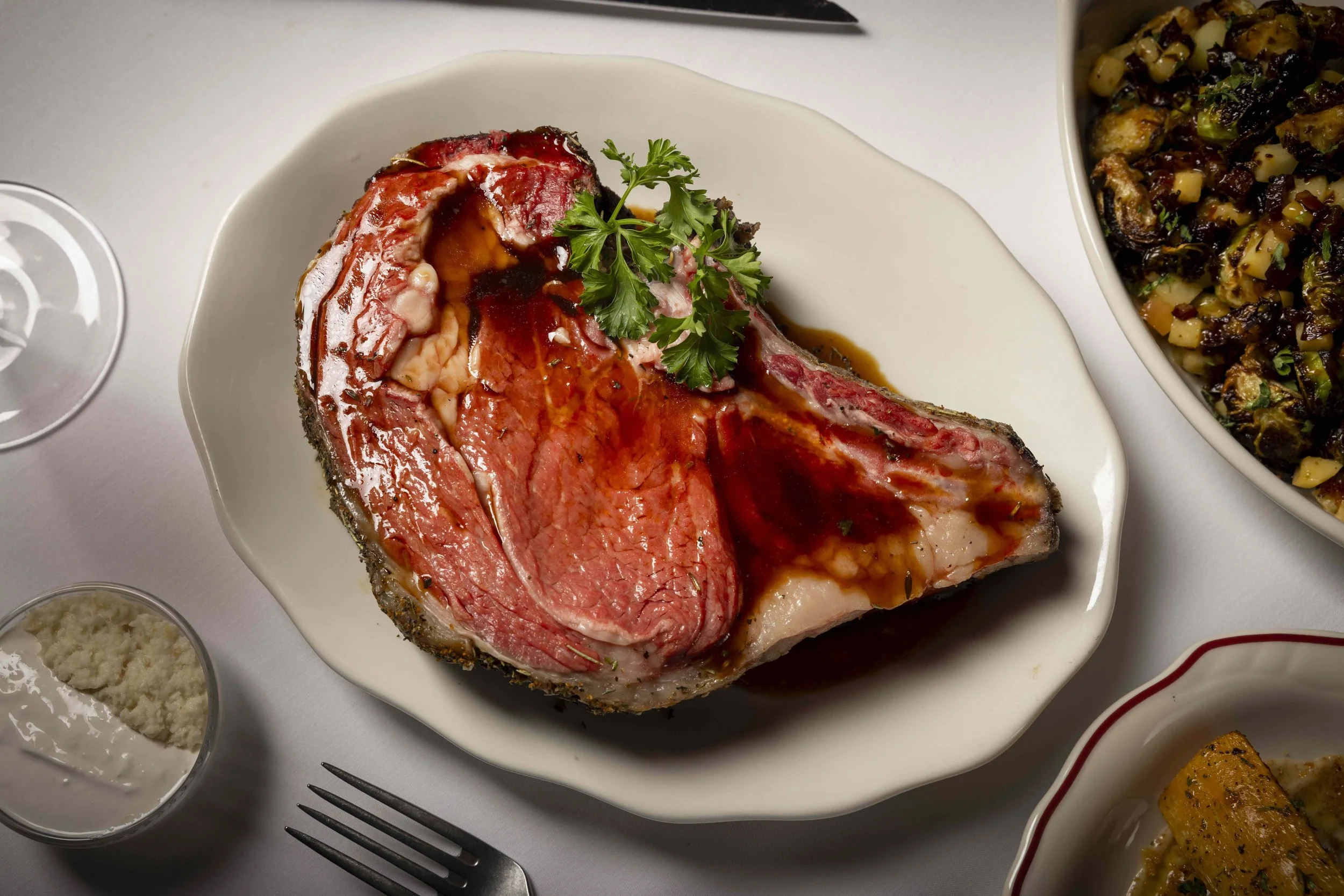
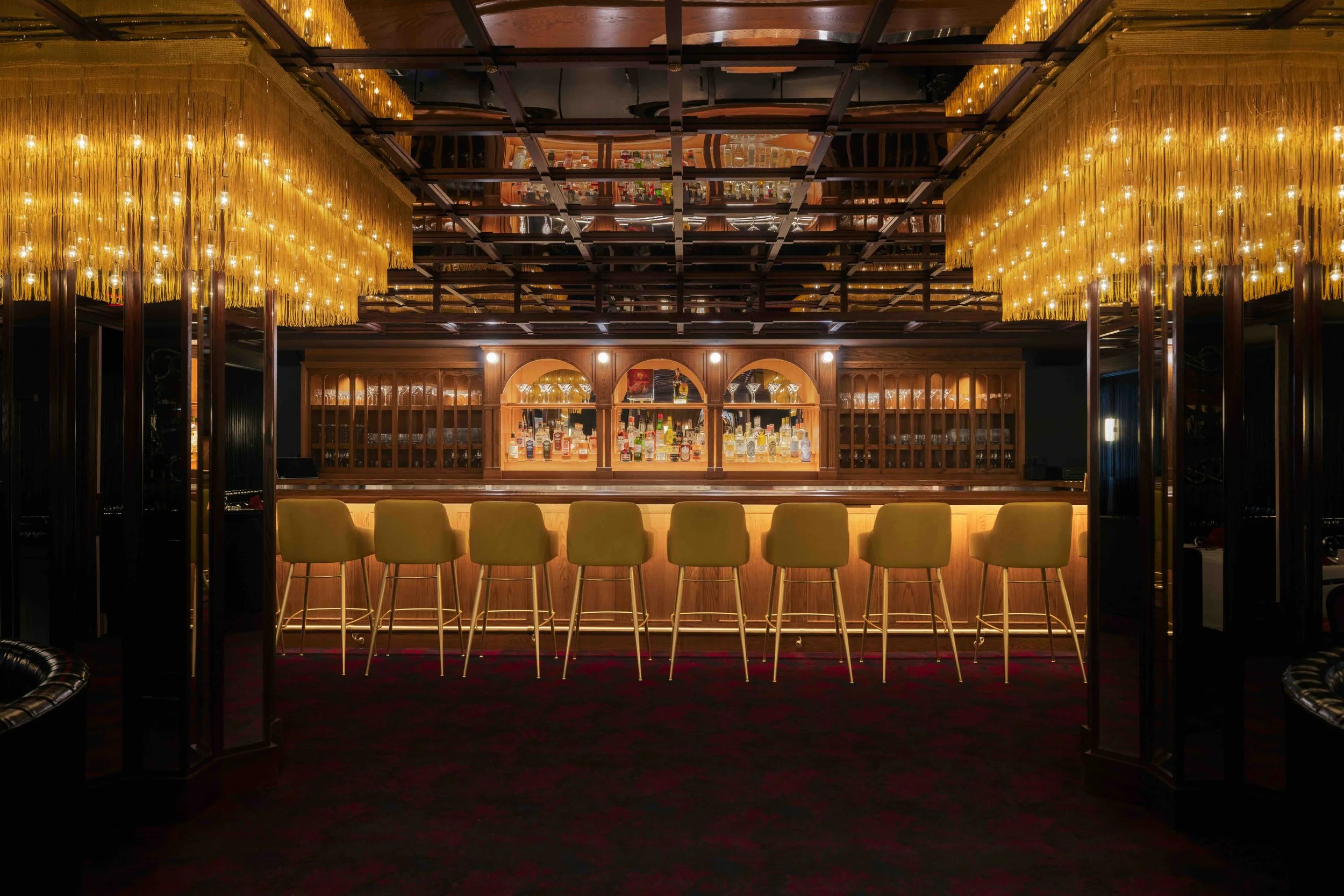
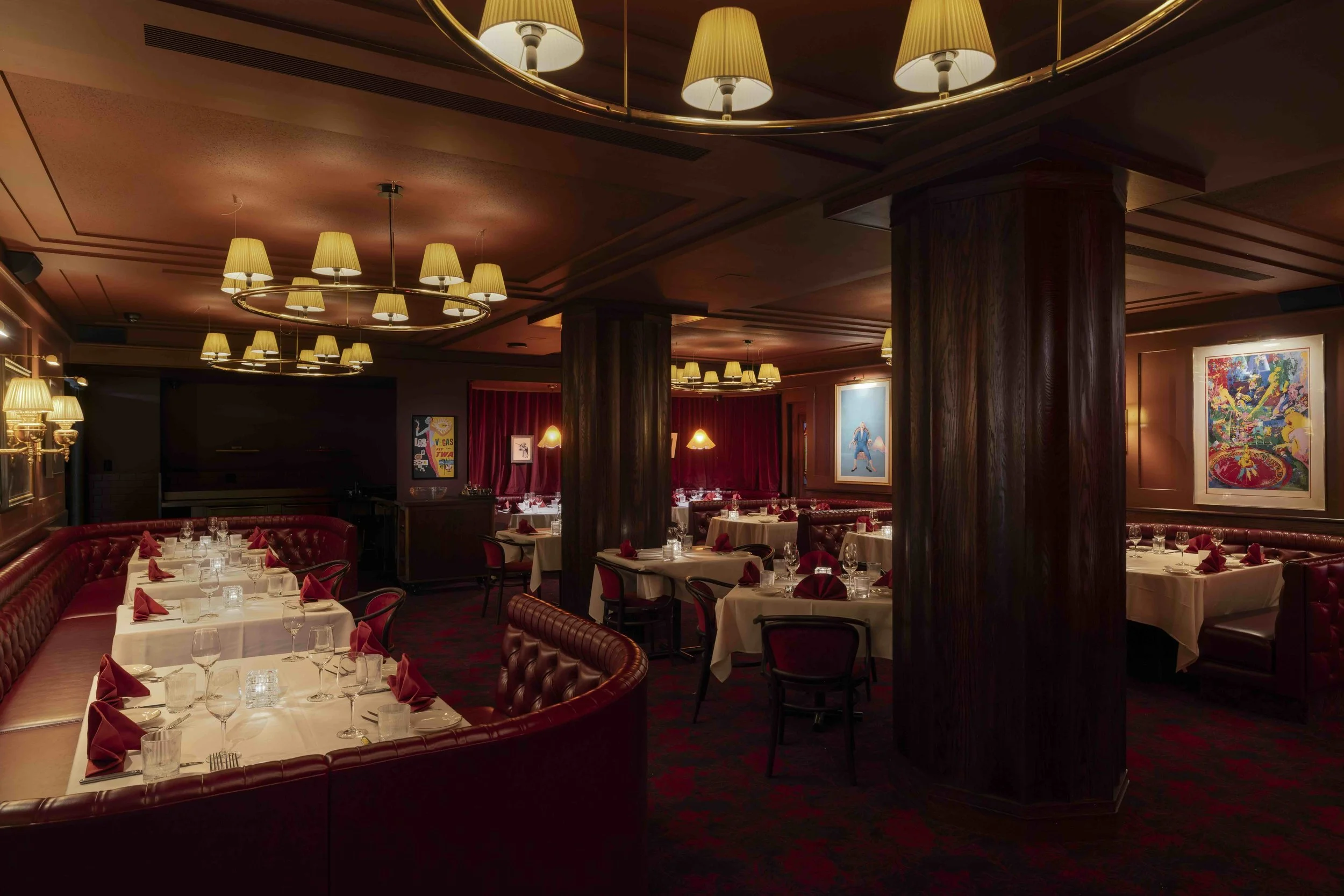
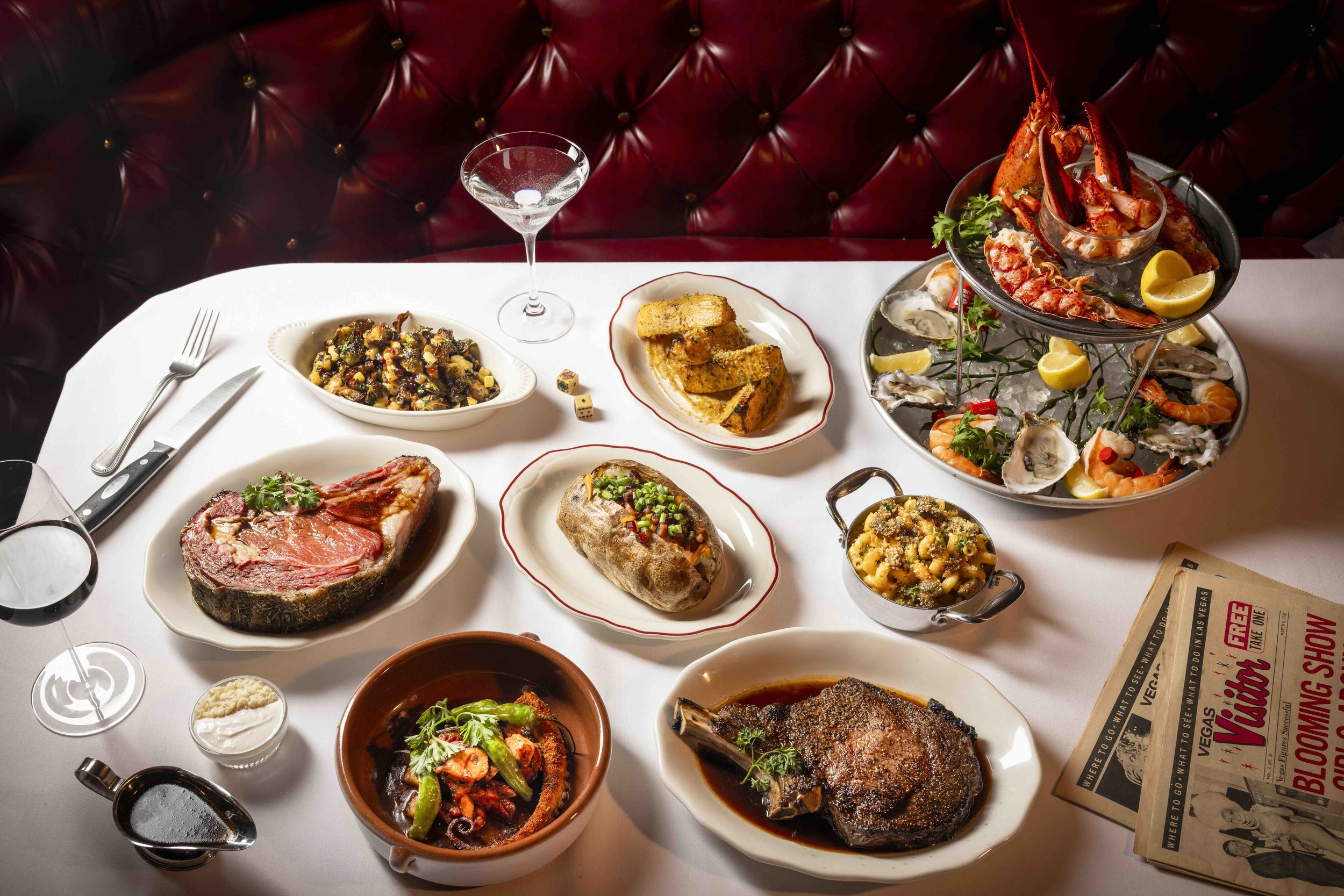
Obviously, you're known for steak. What's an underrated dish on the menu?
The veal saltimbocca is incredible. It's perfectly seared and wrapped in prosciutto, and it's got a beautiful white wine sauce.
What if I'm a vegetarian?
We have a running joke because I think the portobello mushroom is almost too good. Normally, vegetarian dishes at a place like this aren't taken as seriously. But our chef—his wife is a vegetarian, so he was committed to it being as strong as everything else.
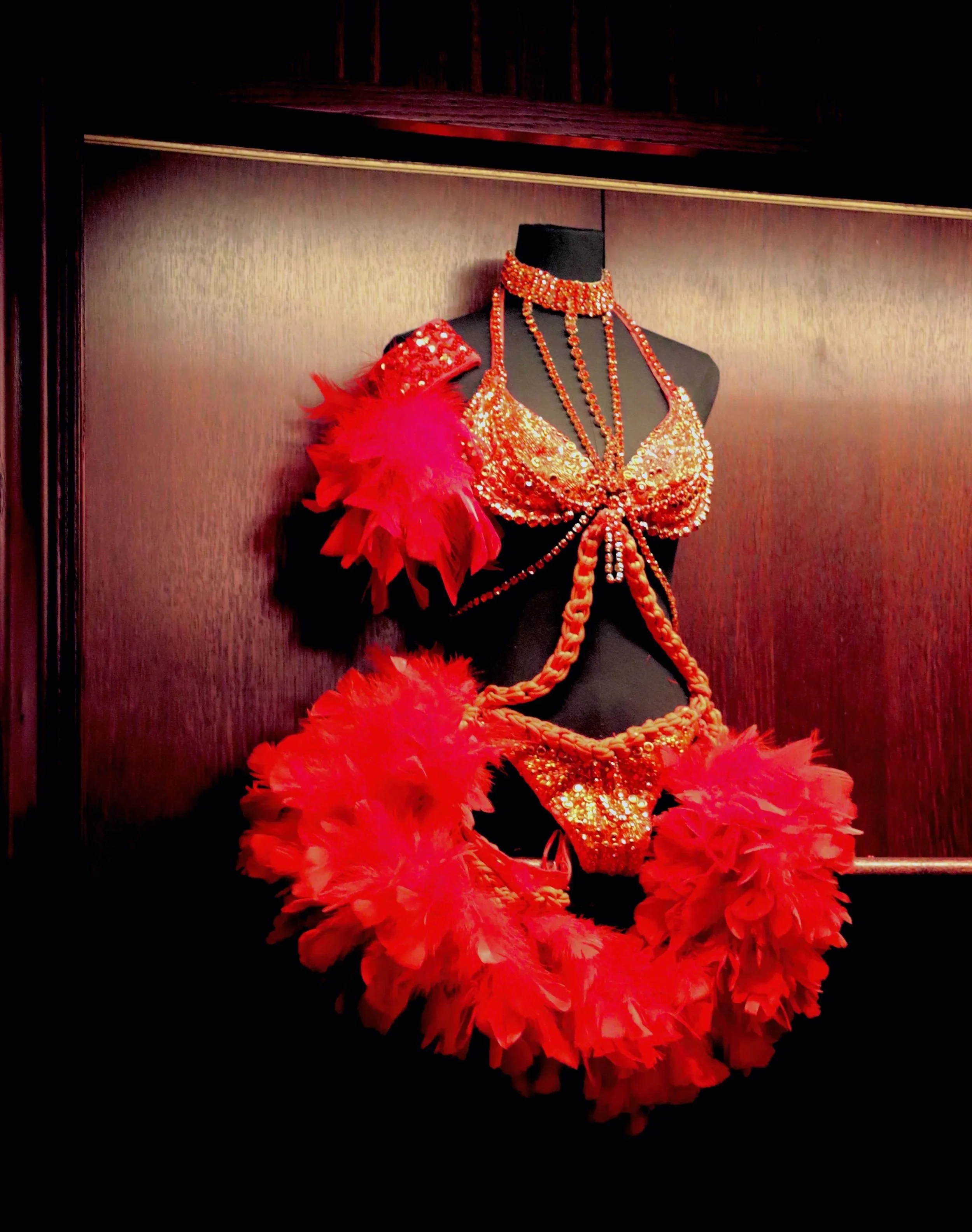
The Showgirl room’s showstopper: an authentic costume worn in a midcentury production, gifted by the State of Nevada Museum.
Point out something interesting in the space. What’s its story?
The showgirl costume. A show could be 85 girls and 10 to 15 different sets, and those were all different costumes. So you would think they'd be abundant, but they're not. I learned that back in the day, they would take all of the sets and costumes and burn them.
The reason was this obscure accounting rule that allowed them to immediately control when they got depreciation and close the books if they destroyed everything at once.
So it's actually really hard to find old, original costumes that were used in productions. I was lucky enough to work with somebody who was close with the State of Nevada Museum, who let us have one.
What made you decide on the Village—and One Fifth Avenue?
Looking at spaces in midtown versus downtown – the interactions with landlords were radically different. In midtown, they’re focused on escrow accounts and bigger backing and looking for these large capital-kind of contracts.
And when we went downtown, they cared most about: ‘Who are you? Can we trust you? Are you going to be a steward that protects and cares for this place?’ There was this personal relationship, which resonated with us because I often talk about the fact that Vegas is a personal city. It's a young city, so it’s more about personalities and families. It’s not actually this giant behemoth.
I feel the same way about downtown and Greenwich Village. They like independent operators. They wanted to know that we were going to move here, and that meant something to me because yes, we were going to move here. Those conversations didn’t come up in midtown or anywhere else we looked, which I thought was fascinating—and special.
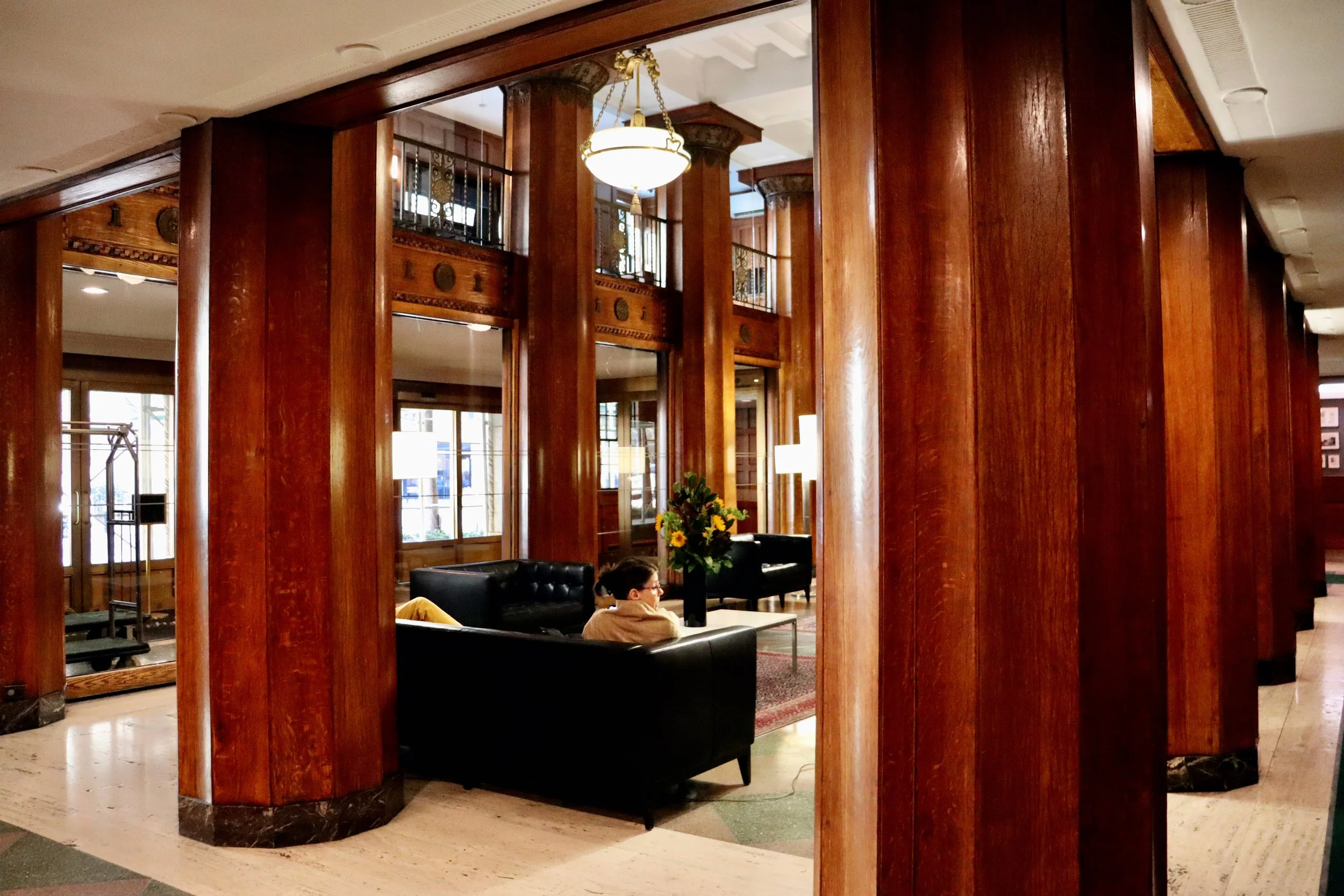
The residential lobby of One Fifth Avenue. While renovating, Signorelli and McMillan strived to preserve the interior styling of the historic building.
Do you have any local food recs? What’s your go-to spot for a quick bite or coffee?
I have a massive sweet tooth – it’s a problem. So if I’m not doing Papa D’Amour or Maman on the way in, I’m sneaking over to L’Appartment 4F. They have their King Cake right now, so that’s fabulous.
And then I love going to Bagel Pub after a really long night of construction. I’m definitely a poppy seed gal with strawberry cream cheese, but then I always also get the pistachio muffin. It’s a sleeper.
Any other favorite Village spots?
And then I spend way too much time at Loring Place for their drinks and their vegetable fries—the little squash ones.
I get my nails done at the Mellow Bar right on 6th, which is a really great spot because you’ve got the second floor and you can look out and see the intersection, and I think it’s the most romantic view at any point in the year….I’ve always had this dream to be in New York, and when I sit there I’m like, ‘Oh, it’s just as magical as I thought it would be.’
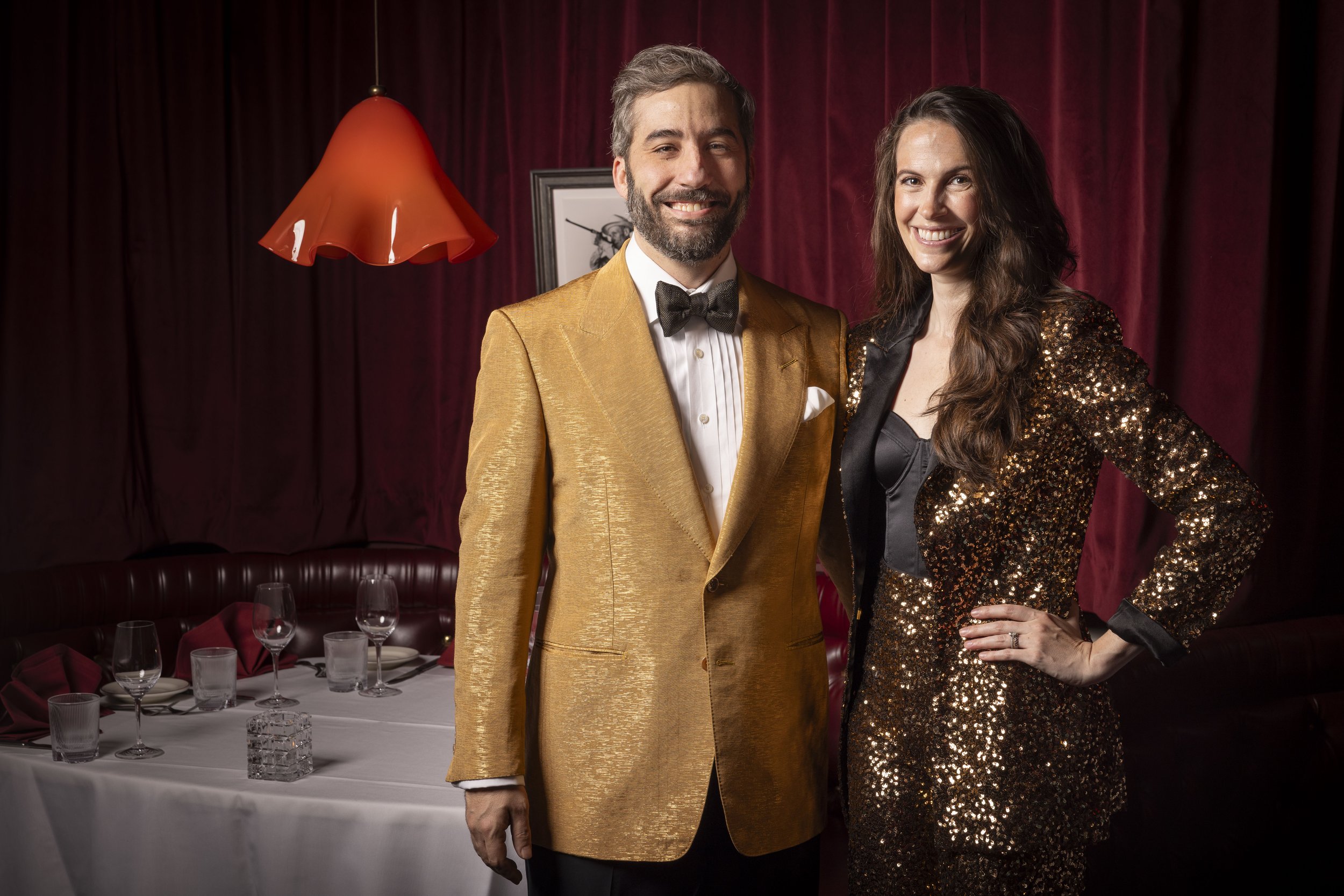
McMillan and Signorelli. Credit: Alex Staniloff
The Golden Steer is located at 1 Fifth Avenue. Visit their website for hours and reservations.
