
GOOD FOR A STORY: JUDITH KASEN WINDSOR AT 2 FIFTH AVE
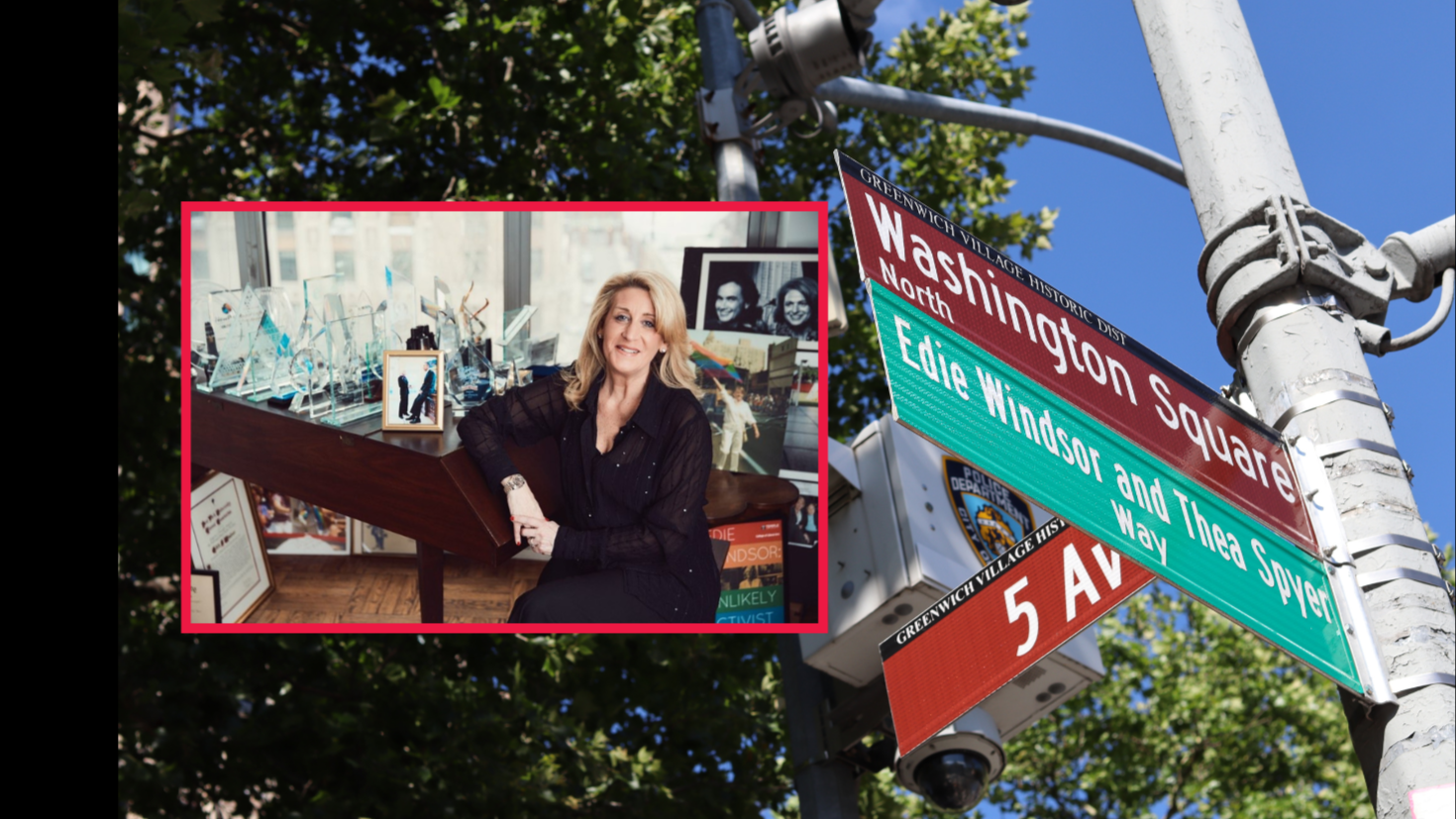
as told to Elizabeth Horkley
JUNE 25, 2026
The “Windsor” of United States v. Windsor was Edie Windsor, who lived at 2 Fifth Avenue for over 40 years. In the legal aftermath of her longterm partner Thea Spyer’s death, she filed the case that struck down the Defense of Marriage Act (DOMA) and led to the recognition of same-sex unions. She married Judith Kasen Windsor a year later, at the age of 87.
Since Edie’s passing in 2017, Judith has thrown herself into the work of preserving a legacy: everything from securing naming rights at The Center and Callen-Lorde to donating a sewing machine to drag queens in Cherry Grove. Closest to home, she’s responsible for the Washington Square Park street sign’s co-naming. Below, in her words, here’s how it happened—and why it’s important to remember how recently it did.
I grew up in a world where you couldn't walk down the street holding hands. Me and my girlfriend of 30, 35 years ago, we wouldn’t have a cab drop us off at Cubby Hole. We’d have him take us to 7th Avenue because we were afraid. Of the driver.
It wasn't until 2009 and I was living with someone that I spoke the words out loud in a professional context. Ironically, that was the same year Thea passed away. NYU’s alumni magazine put a picture of her and Edie on the beach on the cover after she filed the case, and even then they got a lot of complaints.
I love to tell these stories and I’ve even been called condescending for it by people who are too young to remember that what she did with marriage equality—it wasn’t popular at the time. I’m like: “What are you talking about? This was 12 years ago.”
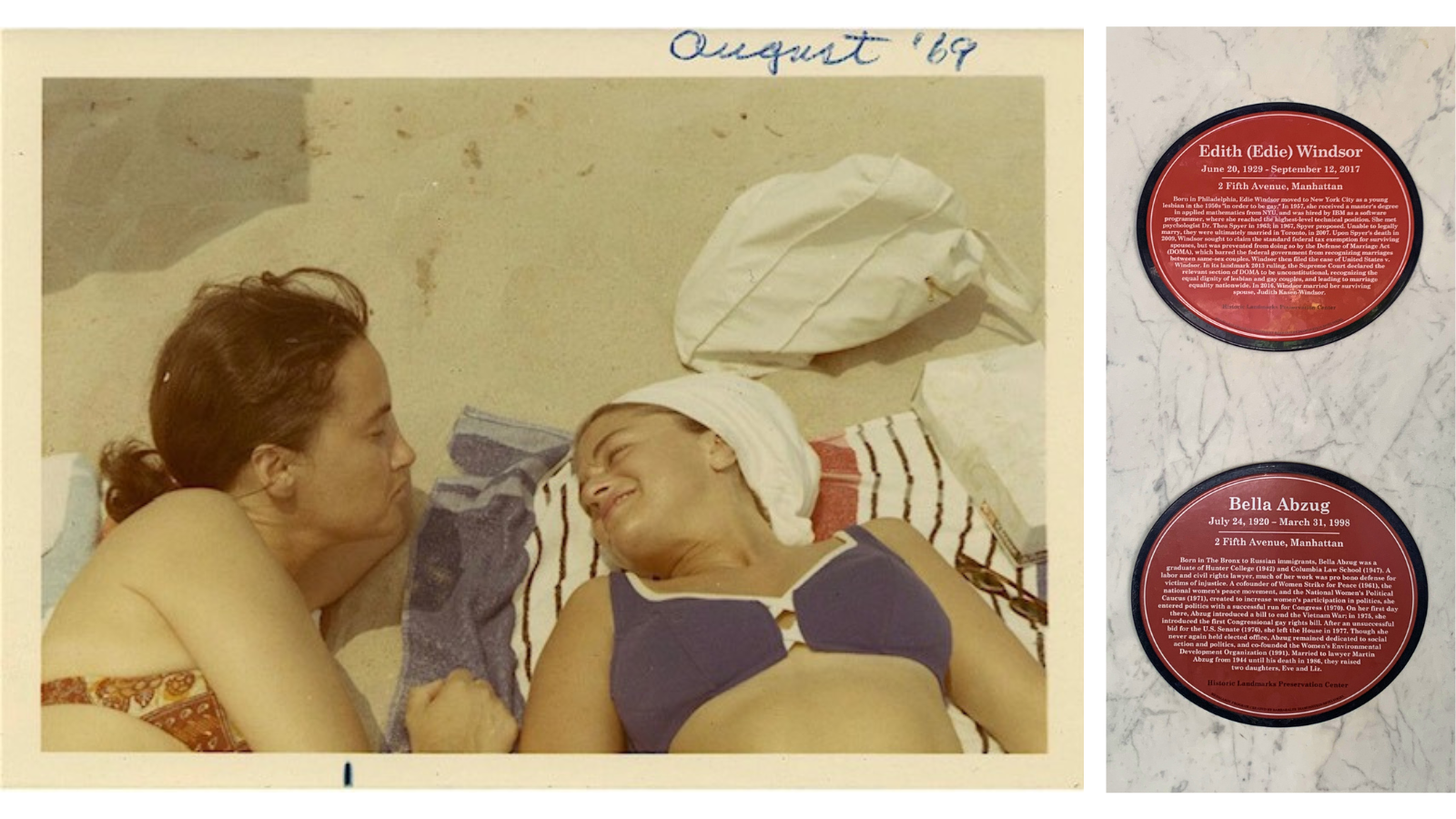
For the last ten years, I’ve been really focused on Edie’s archives. She was part of a generation that saved everything and it’s gone to nine different museums and universities. The Cultural Medallion next to Bella [Abzug’s, on 2 Fifth Avenue’s facade] would have been Edie’s greatest honor, and that was pretty simple to do. The street sign was a bit more difficult. I wouldn’t say it was a fight, but there were things that had to be addressed.
I had to write a dissertation on why it should be there because they wanted to put it near The Center. I said, “No, it goes where somebody lives.” Plus the park is significant because it’s where people go to protest. Then there were two other things the community board objected to. One, they didn’t want to set a precedent because the street sign above it is historic, so it’s brown. You don’t see two different colors anywhere else.
The other thing came up on a Zoom call with about 15 people on it. Someone—I don’t remember her name, let’s call her Karen—said that there can’t be two names on a street sign. I said, “That’s not true. What about the couple in Little Italy on Elizabeth Street?” Karen goes, “But they were married.” People gasped! I think everybody on that call was mortified.
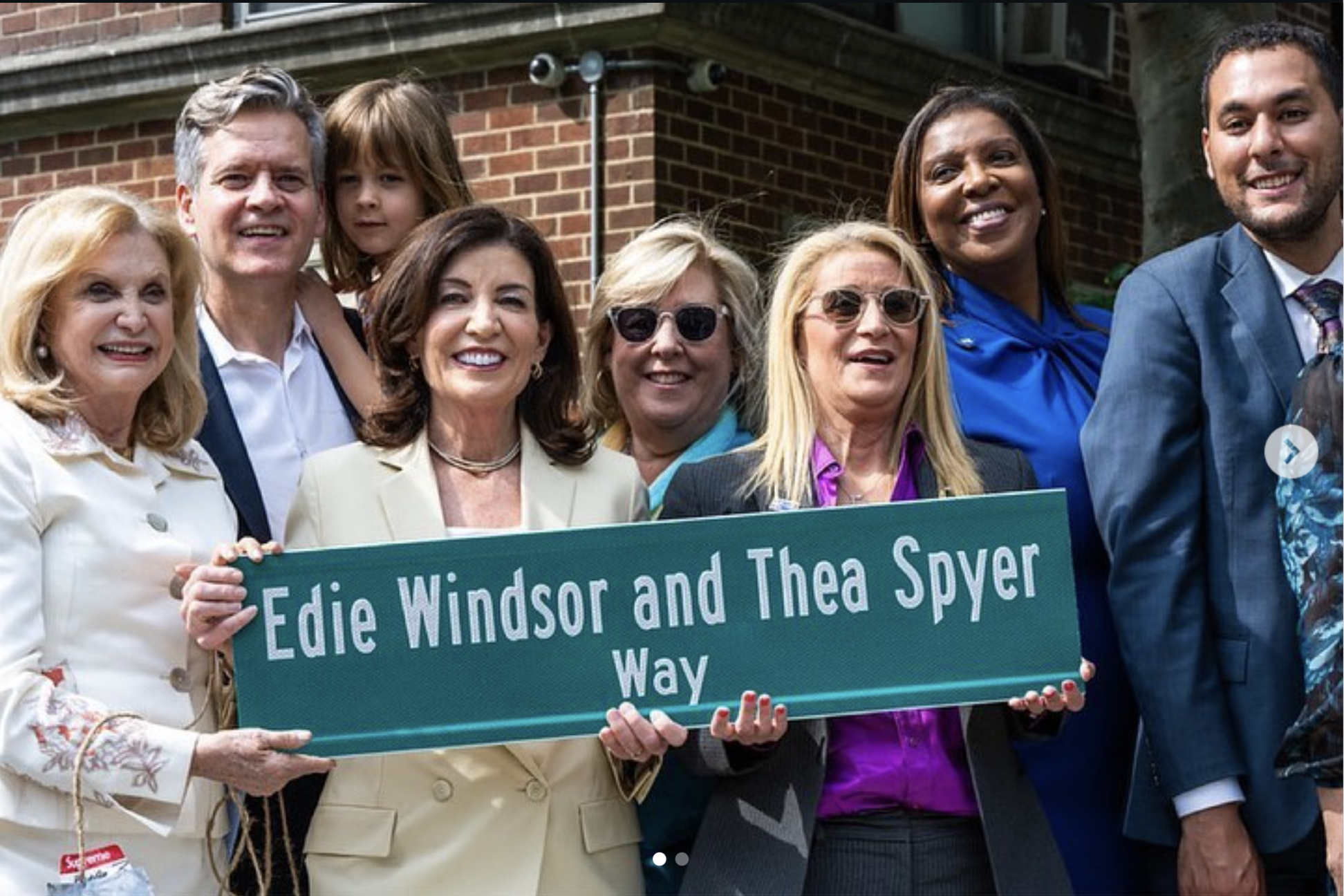
Courtesy of Judith Kasen Windsor via Instagram.
I could’ve lived with the sign going on Fifth and 8th and that’s where I thought it would be until I saw it already up. I thought, “Uh oh, someone signed off on something….” And it’s perfect, right there in front of the park.
I see someone standing there looking at it, Googling it, I’m going to open up my big mouth and say: “Guess who you’re talking to?” I’ve met a lot of gay people that way.
Edie and I used to walk in that park every day and we never saw gay women. It’s just been the last two to three years, since COVID that I’ve finally seen women being affectionate in the open. I talk to them too if there’s an opportunity; if they want to pet my dog. Because I know Edie would be so happy to see them out there.
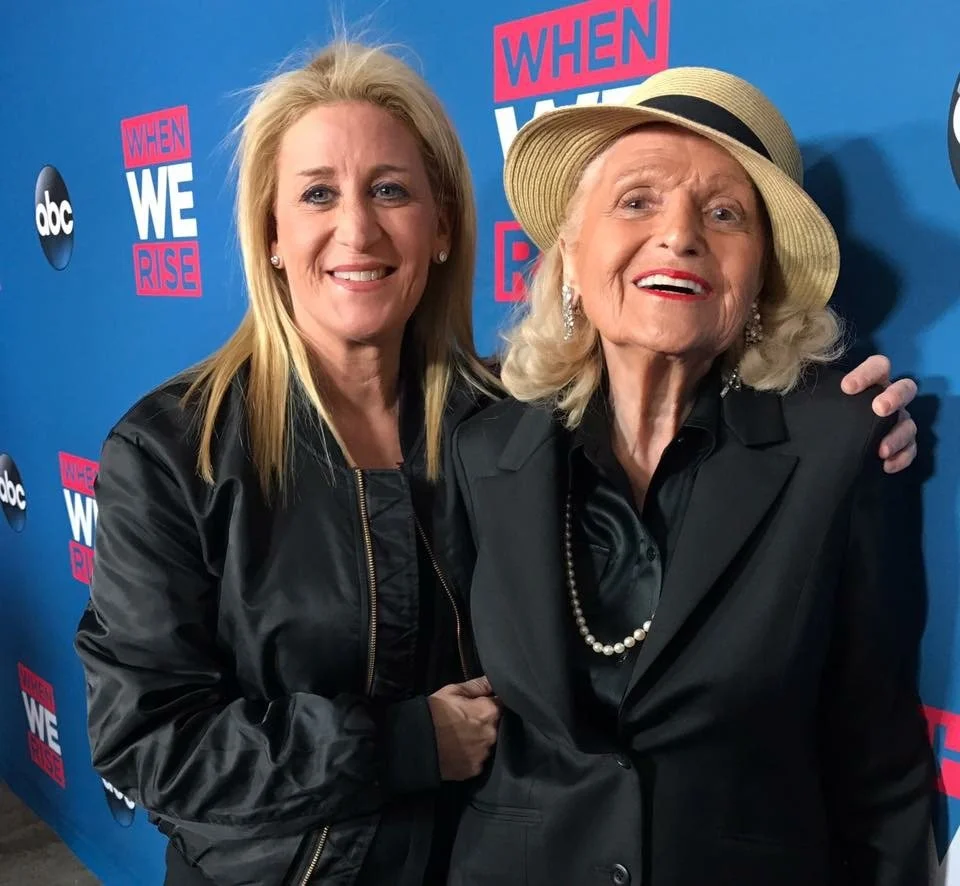
“Edie’s favorite photo of us” courtesy Judith Kasen Windsor.
